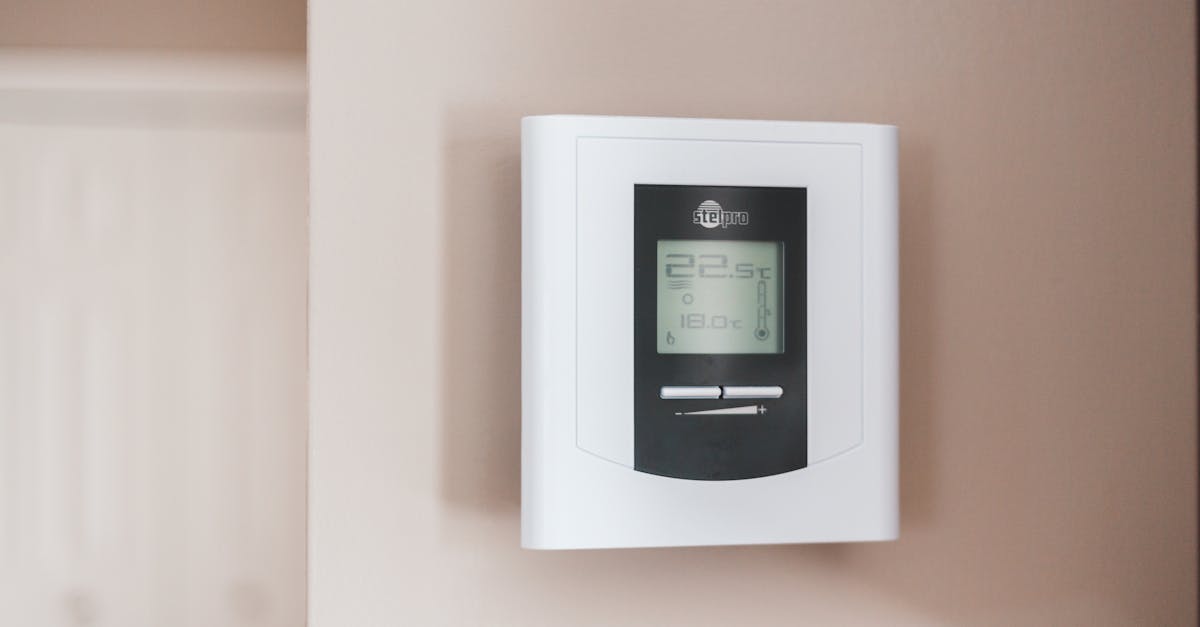
Six Months Without a Smart Thermostat: My Heating Bill Revelation
For years, I was a proud early adopter of smart home technology. My home was a symphony of connected devices, all promising to make life easier, more efficient, and, crucially, cheaper. The crown jewel of this setup was my smart thermostat, diligently programmed to learn my schedule, optimize temperatures, and supposedly slash my energy bills. Every month, I’d glance at the app, see the ‘savings’ reports, and pat myself on the back. It felt like I was doing something important for my wallet and the planet.
Then came the great home network reset. A series of unfortunate events, involving a dying router and a surprisingly complex smart home hub migration, led to a period of digital detox for many of my gadgets. Among the casualties was my beloved smart thermostat. For six months, rather than immediately reinstalling it, I decided to go analog. I reverted to a basic, manual thermostat – the kind with a simple dial and an on/off switch. My intention was just to get through the winter, but what followed was a profound revelation about my heating habits, the true cost of convenience, and where real energy savings actually lie. It turned out my smart thermostat wasn’t the savings hero I thought it was; in fact, its ‘smarter’ features were masking some truly wasteful behaviors.
Key Takeaways
- Automated scheduling in smart thermostats often overrides actual needs, leading to unnecessary heating.
- Manual temperature control forces a conscious decision-making process that reduces energy waste.
- The real savings come from understanding your home’s thermal envelope, not just automating the thermostat.
- Embracing simpler technology can reveal hidden inefficiencies masked by ‘smart’ convenience features.
Automated Scheduling Often Creates Unnecessary Heating
One of the biggest selling points of a smart thermostat is its ability to learn your schedule and adjust temperatures automatically. It promises to pre-heat your home before you arrive, dial back when you’re away, and optimize overnight. Sounds perfect, right? In practice, I found this automation often worked against actual efficiency.
When I used my smart thermostat, I trusted it completely. If I was out later than planned, or if my weekend plans changed, the thermostat would continue its programmed schedule. It would diligently warm an empty house, assuming I’d be home at 6 PM, even if I wasn’t walking through the door until 9. Its ‘away mode’ detection was good, but not perfect, and certainly not proactive enough for my often-unpredictable freelance schedule. There were countless times I’d realize, “Oh, the heat’s been running for two hours for nobody.”
Switching to a manual thermostat eliminated this ‘set it and forget it’ complacency. I had to physically turn the dial. This meant that if my plans shifted, or if I decided to bundle up with an extra sweater, I made a conscious choice about the heating. I didn’t rely on an algorithm’s best guess. This simple act of manual engagement forced me to think: “Do I really need the heat on right now?” More often than not, the answer was no, or at least, ‘not as high as I usually set it automatically.’ I discovered that my automatic schedule was far more rigid and wasteful than my actual, dynamic needs.
The True Value of Conscious Decision-Making
The power of the manual thermostat wasn’t in its simplicity alone, but in the conscious decisions it forced me to make. With the smart thermostat, the decision was made once, then automated. My brain outsourced temperature control. But when I had to manually adjust the thermostat, I became acutely aware of my habits and my home’s actual thermal performance.
For example, on a particularly cold morning, instead of the smart thermostat automatically kicking up to 70°F (21°C) at 6 AM, I’d wake up to a cooler 64°F (18°C). My first instinct would be to shiver and crank it up. But then, a thought process would begin: “I’m only getting up for coffee. I’ll be in the kitchen for 15 minutes, then I’ll be under a blanket working. Do I need to heat the entire house to 70 for 15 minutes?” The answer was almost always: no. I’d nudge it up to 66°F (19°C) just to take the edge off, or I’d simply throw on my favorite chunky cardigan.
This small, repeated act of questioning my heating needs added up to significant savings. It wasn’t about deprivation; it was about intentionality. I realized I was often heating my home out of habit or a vague sense of comfort, rather than genuine necessity. The smart thermostat, for all its data and ‘optimization,’ hadn’t instilled this level of conscious decision-making in me. It had simply replaced one habit (manual adjustment) with another (blind trust in automation).
Focusing on Your Home’s Thermal Envelope Matters More Than Automation
While the smart thermostat provided slick reports on ‘energy efficiency,’ it actually distracted me from the more fundamental issues of my home’s insulation and airtightness. It gave me the illusion of control over my energy use without truly addressing the source of the heat loss.
Once I was consciously engaging with the manual thermostat, I started to notice things: a persistent draft near the old window in the living room, a chill that seemed to emanate from the poorly sealed crawl space door, or how quickly the heat escaped the upstairs bathroom after a shower. These were problems my smart thermostat had been diligently trying to compensate for by running the furnace more often, rather than helping me identify and fix.
During my six-month analog period, I invested in a simple caulk gun, some weatherstripping, and even tackled a DIY project to seal off an unused fireplace flue. These low-cost, high-impact improvements to my home’s thermal envelope made a far greater difference to my heating bill than any smart scheduling ever did. My house felt more consistently comfortable at lower thermostat settings. The smart thermostat had been a band-aid, constantly reacting to heat loss, instead of encouraging me to address the actual wounds in my home’s insulation.
The Real ‘Smart’ Is in Simplicity and Awareness
My journey back to a manual thermostat revealed that the real ‘smart’ approach to home energy management isn’t necessarily about complex algorithms or interconnected devices. It’s about awareness, intentionality, and addressing foundational issues.
The smart thermostat provided convenience, no doubt. But that convenience came with a subtle cost: it removed me from the decision-making loop, leading to automation that didn’t always align with my actual needs or my home’s real energy profile. The monthly ‘savings’ reports, while visually appealing, never told me the full story of the energy I was still wasting by relying on a programmed system rather than truly understanding my environment.
What truly changed my heating bill, and my relationship with my home’s energy consumption, was the forced return to simplicity. It made me a more engaged, more informed, and ultimately, a more efficient homeowner. My heating bill didn’t just go down; it went down because I became a more active participant in managing my home’s temperature, not a passive observer of an app.
Frequently Asked Questions
Are smart thermostats completely useless for saving money?
No, they aren’t useless, but their effectiveness depends heavily on how they’re used and the underlying efficiency of your home. If you have a very predictable schedule and a well-insulated home, a smart thermostat can certainly help. However, if your schedule is erratic, or your home has significant air leaks and poor insulation, the ‘smart’ features might just mask inefficiencies by running your system more, rather than guiding you to address the root causes of energy loss.
How much can a smart thermostat realistically save on my energy bill?
Estimates vary widely, from 10% to 23% on heating and cooling, according to some manufacturers. In my experience, these figures are often optimistic because they assume ideal home conditions and perfect user behavior (which automated schedules don’t always create). My analog switch-back showed me that a conscious, manual approach, combined with sealing drafts, yielded more substantial and sustained savings than I ever saw with the smart device’s ‘optimized’ settings.
What are the most effective ways to reduce heating costs without smart tech?
Focus on your home’s thermal envelope first. Seal air leaks around windows and doors with caulk and weatherstripping. Ensure your attic and walls have adequate insulation. Close vents and doors to unused rooms. Use heavy curtains or blinds to insulate windows, especially at night. Finally, consciously lower your thermostat by a few degrees and layer clothing – a 68°F (20°C) home with a sweater feels warmer than a 72°F (22°C) home in a t-shirt if there are drafts.
Is it worth investing in a manual programmable thermostat instead of a smart one?
A manual programmable thermostat can be an excellent middle ground. It allows you to set a schedule (e.g., warmer when you’re home, cooler when you’re away or asleep) without the ‘learning’ features or remote control of a smart thermostat. This gives you structured efficiency without the over-automation that can lead to unnecessary heating. It still requires some conscious setup but avoids the pitfalls of blind trust in an algorithm.
How often should I check my home for drafts or insulation issues?
Ideally, you should do a quick check every fall before the heating season begins. Pay attention to windows, doors, electrical outlets on exterior walls, and any plumbing penetrations. For insulation, a professional energy audit every few years can provide a more comprehensive assessment. Even without a professional, a simple ‘smoke test’ (using an incense stick or lit candle) on a windy day can help you locate drafts around windows and doors.
What unexpected benefits did you find from switching to a manual thermostat?
The biggest unexpected benefit was increased mindfulness about my energy consumption. I became more attuned to my comfort levels and less reliant on external technology to dictate my environment. This led to a more active engagement with my home and its needs, fostering a sense of control and responsibility that the smart thermostat, ironically, had taken away. It also made me appreciate the simplicity of a device that just did its job without trying to be ‘smarter’ than it needed to be.
Written by Chloe Vance
Daily routines and practical life hacks
With experience in journalism and a passion for simplifying the complex, Chloe crafts accessible advice for all.
You Might Also Like
The 20-Degree Rule for Home Heating and Cooling: Why Most Advice Misses the Mark
Discover why the conventional 20-degree heating and cooling rule for your home often falls short and what actually works for comfort and savings.
3 Non-Obvious Reasons Your Smart TV Is Slower Than Advertised
Smart TVs promise seamless entertainment, but often deliver frustrating lag. Discover the three hidden reasons for slow performance and how to fix them.

A Beginner's Guide to Simple Home Meal Planning
Discover a layered approach to meal planning that actually sticks, even for beginners. Learn to save time, reduce waste, and enjoy home-cooked meals.