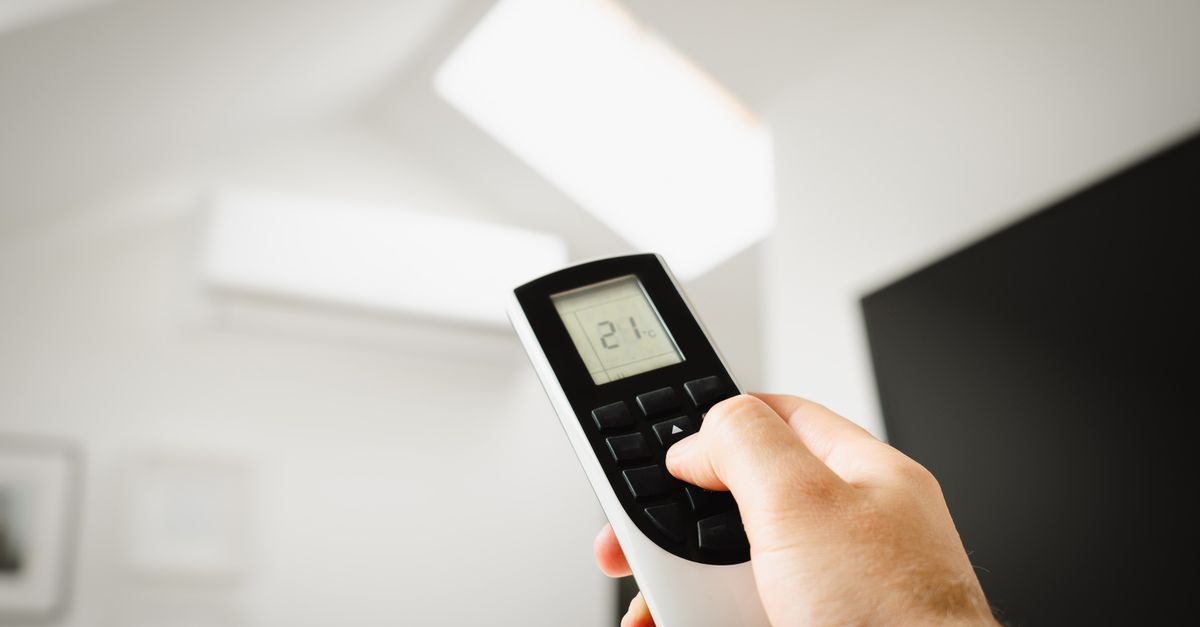
The 20-Degree Rule for Home Heating and Cooling: Why Most Advice Misses the Mark
You’ve likely heard the advice: set your thermostat to 68°F (20°C) in winter and 78°F (25°C) in summer to save energy and stay comfortable. It’s often presented as a universal truth, a simple 20-degree difference that unlocks both coziness and cost savings. I certainly bought into it, adjusting my thermostat religiously according to these numbers, only to find myself either shivering under a blanket in December or sweating through my t-shirt in July. My utility bills never quite reflected the savings I was promised, and my comfort was consistently compromised. What I discovered, after years of frustration and a deep dive into home energy dynamics, is that the conventional “20-degree rule” for heating and cooling often misses the mark entirely. It’s not just about the numbers on the thermostat; it’s about understanding your home’s unique thermal properties, your family’s lifestyle, and the subtle shifts that truly make a difference.
Key Takeaways
- Your home’s unique insulation and window efficiency are far more impactful than a universal thermostat setting.
- Strategic micro-adjustments and understanding thermal lag are more effective than rigid temperature rules.
- Leveraging passive heating and cooling significantly reduces reliance on active HVAC systems.
- Investing in smart zoning and proper air sealing offers long-term, personalized comfort and substantial savings.
The Flaw in Universal Temperature Settings: Your Home Isn’t a Laboratory
The biggest mistake I see people make, and one I certainly made for years, is treating their home like a generic box with uniform thermal performance. The 20-degree rule assumes every house is built to the same standards, with identical insulation, window efficiency, and air sealing. In my experience, this couldn’t be further from the truth. My first home, a charming but drafty 1950s bungalow, behaved entirely differently from my current, more modern build. Setting the thermostat to 68°F in winter in the bungalow meant the actual temperature in the living room, far from the thermostat, might be closer to 62°F, thanks to single-pane windows and inadequate wall insulation. The furnace would cycle constantly, trying in vain to hit an unattainable target, leading to higher bills and persistent discomfort.
What changed everything for me was realizing that the thermostat reading is only one data point in a complex thermal system. The true measure of comfort and efficiency isn’t just the air temperature at one central location, but the radiant temperature of surfaces, the presence of drafts, and your home’s ability to retain or shed heat. If your walls are cold, you’ll feel cold even if the air temperature is 70°F. The conventional 20-degree rule doesn’t account for these crucial variables. Instead of rigidly adhering to those numbers, start by understanding your home’s specific weaknesses and strengths. Are your windows old? Is there insulation in your attic? These foundational elements dictate how much energy your HVAC system actually needs to expend, regardless of your target temperature.
Understanding Thermal Lag: Why Instant Changes Don’t Work
Another critical misconception the 20-degree rule fosters is the idea of instant temperature response. Many people, myself included, would dramatically crank the thermostat up or down when feeling uncomfortable, expecting immediate results. This approach completely ignores thermal lag, the time it takes for your home’s structure and contents to absorb or release heat.
When I first moved into my current house, I’d often set the AC to 70°F after a particularly hot day, hoping for a quick cool-down from an internal 80°F. The AC would blast, the energy meter would spin furiously, but the house would still feel uncomfortably warm for what felt like an eternity. The mistake I see most often is treating a home’s temperature like a light switch. Buildings, especially those with significant thermal mass (think brick walls, concrete floors), take time to heat up and cool down. Rapid, large adjustments to the thermostat are incredibly inefficient because your system overshoots the target, wasting energy in the process.
What actually works is making smaller, more gradual adjustments and anticipating your comfort needs. If I know it’s going to be a scorching afternoon, I’ll start lowering the AC by a degree or two in the morning, letting the house gradually cool before the peak heat hits. Similarly, in winter, I’ll raise the heat slightly before I wake up, allowing the internal structure to warm up gently rather than forcing a rapid spike. This mindful approach saves significant energy and provides much more consistent comfort because your system isn’t constantly battling against the thermal inertia of your home.
Embracing Passive Strategies: Beyond the HVAC
Reliance solely on your HVAC system, as the 20-degree rule implies, overlooks the immense power of passive heating and cooling strategies. These are methods that use natural environmental forces to regulate your indoor temperature, often for free. For years, I neglected these simple yet effective techniques, thinking my thermostat was the only tool I needed.
For example, during winter, I used to keep my blinds closed all day, thinking it would help insulate. In reality, I was missing out on free solar heat. What changed everything for me was learning to open south-facing blinds and curtains on sunny winter days, letting the sun stream in and naturally warm the living space. The radiant heat from the sun hitting my floor and furniture genuinely made the room feel several degrees warmer without touching the thermostat. Conversely, in summer, closing those same blinds and curtains during peak sun hours dramatically reduced heat gain, keeping the house cooler.
In my experience, even small lifestyle adjustments make a huge difference. Using ceiling fans in summer, set to rotate counter-clockwise, creates a wind-chill effect that makes a room feel 2-4 degrees cooler without lowering the AC. Wearing appropriate clothing for the season (a light sweater indoors in winter, breathable fabrics in summer) also shifts your personal comfort zone, reducing your reliance on artificial heating or cooling. These passive strategies are not just about saving money; they’re about creating a more harmonious living environment that works with nature, not against it.
The Power of Strategic Zoning: Customizing Your Comfort
The 20-degree rule is inherently a one-size-fits-all approach to home comfort, but no family or home truly fits that mold. My family, for instance, has vastly different temperature preferences. My partner runs cold, while I tend to be warmer. Moreover, different rooms in our house have different functions and varying thermal loads. Heating or cooling an entire house to a single, rigid temperature for 24 hours a day is incredibly inefficient.
What actually works, particularly in larger homes or those with diverse occupants, is strategic zoning. While a full multi-zone HVAC system can be a significant investment, even simpler, more affordable steps can make a huge difference. For example, I implemented a basic form of zoning by simply closing vents and doors to unused rooms in my home during extreme weather. Why pay to heat or cool a guest bedroom that’s empty 90% of the time?
What changed everything for me was the realization that comfort is personal and contextual. We spend most of our time in a few key areas: bedrooms, living room, and kitchen. Focusing our energy efforts on these occupied zones, rather than maintaining a universal temperature throughout the entire house, yielded significant savings. For the unoccupied areas, I allow temperatures to drift further from the conventional 20-degree rule, only bringing them into a comfortable range when needed. This targeted approach not only saves money but also provides personalized comfort where it truly matters.
Investing in the Envelope: The Real Long-Term Solution
Ultimately, the thermostat is just a control panel. If your home’s thermal envelope – its insulation, windows, doors, and air sealing – is compromised, no amount of thermostat tinkering will lead to true efficiency or comfort. The 20-degree rule becomes a band-aid on a gaping wound.
In my experience, the mistake I see most often is people continually adjusting their thermostat in frustration when the root cause is structural. I used to think adding more insulation was a massive, costly project. While major upgrades can be, even small, targeted improvements can make a huge difference. What changed everything for me was a simple home energy audit. It revealed where I was losing the most heat in winter and gaining it in summer: gaps around electrical outlets, poorly sealed attic hatches, and worn-out weatherstripping around doors.
Investing in these foundational elements, even gradually, offers the most significant long-term returns. Sealing air leaks with caulk and weatherstripping can reduce energy costs by 10-20% alone. Upgrading to energy-efficient windows, while a larger investment, can pay for itself over time in comfort and savings. Prioritizing these improvements means your HVAC system can work less, run more efficiently, and maintain your chosen comfort level (whether that’s a 20-degree differential or something more personalized) with far less effort. It’s about making your home work with your HVAC, not constantly fighting against it.
Frequently Asked Questions
Should I adjust my thermostat by more than 20 degrees when I leave home for an extended period?
Yes, absolutely. For periods of several hours or more, significantly adjusting your thermostat beyond the typical 20-degree differential (e.g., letting it rise much higher in summer or drop much lower in winter) can lead to substantial energy savings. The key is to do this gradually, anticipating your return, so your HVAC system isn’t forced to work overtime to recover the desired temperature quickly. Modern smart thermostats excel at this with scheduling features.
Does constantly adjusting the thermostat damage my HVAC system?
Rapid, extreme adjustments can cause your HVAC system to
Written by Chloe Vance
Daily routines and practical life hacks
With experience in journalism and a passion for simplifying the complex, Chloe crafts accessible advice for all.
You Might Also Like
3 Non-Obvious Reasons Your Smart TV Is Slower Than Advertised
Smart TVs promise seamless entertainment, but often deliver frustrating lag. Discover the three hidden reasons for slow performance and how to fix them.

A Beginner's Guide to Simple Home Meal Planning
Discover a layered approach to meal planning that actually sticks, even for beginners. Learn to save time, reduce waste, and enjoy home-cooked meals.

A Practical Checklist for Navigating Online Returns Without the Hassle
Streamline your online return process with this practical checklist. Minimize stress and maximize successful refunds for your purchases.