Do I Need a Carbon Monoxide Detector in My Home?
Living in a modern home, it’s easy to assume certain dangers are a thing of the past. You might think, “I don’t have a gas stove or a fireplace, so carbon monoxide isn’t a concern for me.” I certainly used to operate under that assumption. For years, I lived in homes with all-electric appliances, never giving a second thought to carbon monoxide (CO) detectors. It felt like a relic from older houses, a necessity only for those burning fossil fuels directly in their living space. This misconception, however, is not just common; it’s dangerous. What changed everything for me was a simple conversation with a seasoned HVAC technician during a routine maintenance check. He pointed out that even in a seemingly all-electric home, the risk of CO exposure is very real and often overlooked, stemming from unexpected sources like attached garages or malfunctioning furnaces. In my experience, the mistake most often made is underestimating the insidious nature of carbon monoxide – it’s odorless, colorless, and tasteless, making it impossible to detect without specialized equipment. This conversation wasn’t just informative; it was a wake-up call that led me to install detectors in every appropriate zone of my home, regardless of my appliance setup. This article isn’t about fear-mongering; it’s about practical, actionable steps to protect your household from a silent threat many of us are unknowingly exposed to.
Key Takeaways
- Carbon monoxide detectors are essential for all homes, regardless of fuel sources, due to diverse and often hidden CO risks.
- Strategic placement on every level and near sleeping areas is more crucial than just installing one detector.
- Regular testing and battery replacement are vital for ensuring your CO detector provides reliable protection.
- Understanding the subtle symptoms of CO poisoning can be life-saving if your detector hasn’t yet alarmed.
Carbon Monoxide Risks Extend Beyond Gas Appliances
The most common misconception about carbon monoxide is that it’s solely a byproduct of gas-burning appliances like furnaces, water heaters, or stoves. While these are indeed primary sources, limiting your concern to them leaves significant blind spots in your home safety. What changed everything for me was realizing the sheer variety of ways CO can infiltrate a home, even one that appears “all-electric.”
Consider your attached garage. If you ever start your car to warm it up, even for a few minutes, CO fumes can easily seep into your living space, especially if there are gaps in the connecting wall or if the door from the garage to the house isn’t properly sealed. In my experience, many homeowners don’t consider their car exhaust a household CO risk, but it absolutely is. The mistake I see most often is people running their car with the garage door closed “just for a minute,” thinking it’s too short a time to matter. Carbon monoxide builds up rapidly in enclosed spaces, and even a brief exposure can be harmful.
Beyond the garage, malfunctioning furnaces or water heaters, regardless of their fuel type, can produce CO. While electric models don’t burn fuel, their exhaust systems can become blocked or corroded, leading to incomplete combustion if they’re hybrid or even electric with an exhaust vent. Even a chimney flue that is partially blocked by debris like bird nests or leaves can cause CO to back up into the house, even from a rarely used fireplace. I also learned that portable generators, often used during power outages, are notorious CO producers. Placing them too close to a window or door, or even in an attached garage, can be catastrophic.
What truly drives home the necessity of CO detectors for all homes is the secondary sources often overlooked. Think about that charcoal grill you use on the patio; if brought too close to an open window, fumes can drift inside. Kerosene heaters, popular in some colder climates, are another common culprit. Even smaller items, like gas-powered lawnmowers stored in a basement, can emit residual CO. The perspective here is to shift from identifying obvious CO sources to acknowledging the potential for CO in a wide range of everyday scenarios.
Strategic Placement Saves Lives: More Than Just One Detector
When I first thought about CO detectors, my instinct was to buy one and stick it somewhere central. It felt like a one-and-done solution. The mistake I see most often is this very approach: treating CO detection as a single-point problem. What changed everything for me was learning that strategic, multi-point placement is as crucial as having a detector at all.
The general rule of thumb, and one I strongly advocate, is to install at least one carbon monoxide detector on every level of your home, including the basement and attic if they are occupied spaces. This provides comprehensive coverage, as CO can spread unevenly through a house. In my experience, the basement is often overlooked, yet it’s where many furnaces and water heaters reside, making it a critical zone for early detection.
Beyond every level, prioritize areas near sleeping spaces. Carbon monoxide poisoning can happen quickly while you’re asleep, rendering you unconscious before you ever realize something is wrong. I recommend placing a detector inside or directly outside each sleeping area or bedroom. For instance, if you have three bedrooms on the second floor, one detector in the hallway connecting them might seem sufficient, but individual detectors inside each room offer an extra layer of protection, especially for children or elderly family members who might be less able to react.
Another critical, often missed, placement is near attached garages. As mentioned earlier, car exhaust can be a significant source. Placing a detector in the room adjacent to the garage door, or even within the garage itself (though some manufacturers advise against garage placement due to extreme temperature fluctuations affecting sensor life), provides early warning of vehicle-related leaks.
Finally, avoid placing detectors too close to fuel-burning appliances or within 15 feet of cooking or bathing areas. The sensors can be triggered by normal combustion byproducts from these activities, leading to nuisance alarms. Similarly, keep them away from windows, doors, or vents where drafts could interfere with accurate readings. The nuanced approach to placement ensures maximum effectiveness, catching CO before it becomes a widespread danger.
Maintenance is Not Optional: How to Ensure Your Detector Works
Having a carbon monoxide detector is only as good as its operational status. For years, I approached batteries in my smoke detectors with a “change them when they chirp” mentality, which is a dangerous game to play with CO. What changed everything for me was understanding that a proactive maintenance schedule isn’t optional; it’s a non-negotiable part of safeguarding your home. The mistake I see most often is treating these life-saving devices as set-and-forget gadgets.
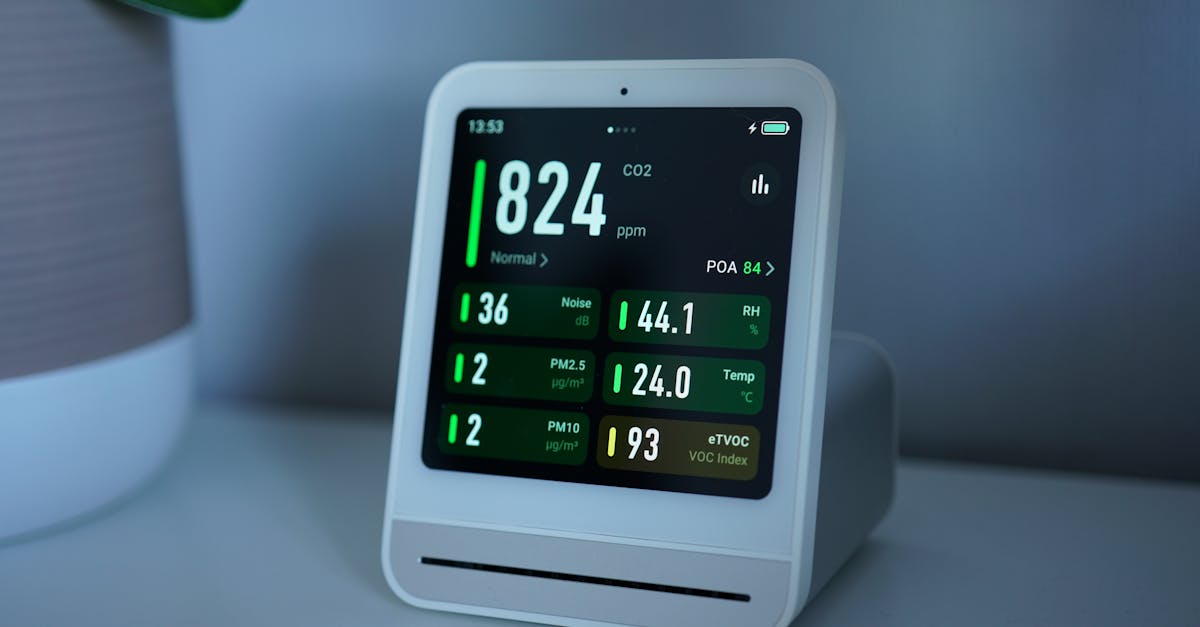
Regular testing is paramount. Most CO detectors come with a “test” button. I make it a habit to press this button once a month. It only takes a few seconds and confirms that the alarm sounds. If it doesn’t, that’s your immediate cue to troubleshoot. In my experience, a non-responsive test button usually means dead batteries or, for wired units, a power issue. Some advanced detectors even have digital displays that show the current CO level (in parts per million, or PPM), which can be reassuring during testing.
Battery replacement should be annual for most models. Even if your detector hasn’t chirped, a fresh set of batteries ensures peak performance. I’ve found it helpful to tie this to another annual event, like changing clocks for daylight saving time or a specific holiday, to create a consistent routine. For wired detectors with battery backup, replace the backup batteries annually as well. Many modern detectors now feature 10-year sealed batteries, which are a fantastic innovation, but even these units have an expiration date for the entire device.
Which brings me to the device’s lifespan. Carbon monoxide detectors don’t last forever. Their sensors degrade over time, typically after 5 to 7 years, though some models claim 10 years. What changed everything for me was learning that replacing the entire unit at its recommended expiration date is crucial. A detector that is past its prime may look fine but won’t be able to detect CO effectively. Look for the manufacturing date or a “replace by” date on the back of the unit. This specific, concrete action ensures your protection isn’t relying on outdated technology.
Finally, keep your detectors clean. Dust and debris can accumulate in the sensor vents, impeding their ability to detect CO. A quick wipe with a damp cloth or a gentle vacuuming around the vents during your monthly test is a simple but effective step. Proper maintenance is your ongoing commitment to keeping your family safe from this invisible threat.
Recognizing the Silent Threat: Symptoms and Actions
Even with properly installed and maintained detectors, understanding the symptoms of carbon monoxide poisoning is critical. In my experience, what happens most often is people dismiss early symptoms as a common cold or fatigue, losing precious time. What changed everything for me was recognizing the insidious way CO poisoning mimics everyday ailments, making it so dangerous. The mistake I see most often is relying solely on the alarm without being aware of your body’s signals.
Early symptoms are often subtle and non-specific, which is why they’re so frequently misdiagnosed. These can include:
- Headache: This is one of the most common first signs, often described as dull or throbbing.
- Nausea or Vomiting: Feeling sick to your stomach, or actually vomiting, without another clear cause.
- Dizziness or Lightheadedness: A sense of unsteadiness or vertigo.
- Fatigue or Weakness: Feeling unusually tired or lacking energy.
- Shortness of Breath: Difficulty breathing, similar to what you might experience with exertion.
What makes CO poisoning particularly dangerous is that these symptoms worsen with prolonged exposure and increased CO levels. They can progress to confusion, blurred vision, loss of muscle control, and ultimately, unconsciousness or death. The perspective I want to convey is that if multiple family members experience similar flu-like symptoms simultaneously when everyone has been in the same environment, and especially if those symptoms improve when you’re away from home, carbon monoxide should be a top suspect.
Immediate action is key. If your CO alarm sounds, or if you suspect CO poisoning based on symptoms:
- Evacuate immediately: Get everyone, including pets, out of the house into fresh air. Do not delay to gather belongings.
- Call emergency services: Dial 911 (or your local emergency number) from a safe location. Inform them you suspect carbon monoxide poisoning.
- Do not re-enter: Wait for emergency personnel to deem your home safe. They will have specialized equipment to measure CO levels and identify the source.
It’s a concrete scenario: I know a family who, during a power outage, ran a portable generator in their attached garage “just far enough” from the door. Their CO detector, placed on the second floor, eventually alarmed, but by then, the youngest child was already complaining of a severe headache and nausea. Their quick action to evacuate and call for help saved them. This isn’t just theory; these are real-world contexts where awareness and swift action make a life-or-death difference.
Prioritizing Detector Features for Maximum Protection
When I first started looking for CO detectors, I was overwhelmed by the options. It seemed like there were dozens of models, each with slightly different features. My initial mistake was assuming that any detector would do the job equally well. What changed everything for me was learning that prioritizing specific features can significantly enhance protection and user experience. It’s not just about having a detector; it’s about having the right detector for your needs.
One non-obvious insight is that digital displays are incredibly useful, not just for showing CO levels, but for helping you understand trends. Most basic detectors only alarm when CO reaches a dangerous threshold. A digital display, however, can show you lower, lingering levels of CO that might indicate a mild leak or a recurring issue, allowing you to address it before it becomes critical. In my experience, this early warning from a low-level readout can be invaluable for pinpointing subtle problems with appliances or ventilation that wouldn’t otherwise trigger a full alarm.
Another critical feature, in my opinion, is battery backup for wired units, or 10-year sealed batteries for wireless models. Power outages are often when CO risks increase due to alternative heating methods or generators. A detector that goes silent during a blackout leaves you vulnerable. My current detectors all have sealed 10-year batteries, meaning I don’t have to worry about annual replacements, which significantly boosts my confidence in their reliability. This specific feature addresses a common real-world problem directly.
Consider interconnected alarms for larger homes. Similar to smoke detectors, if one CO detector alarms, all interconnected units will sound. This ensures that even if a leak starts in the basement, an alarm will sound in an upstairs bedroom, giving everyone ample warning. While these may require professional installation for wired systems, wireless interconnected options are becoming more common and offer a fantastic boost in safety for multi-story or spread-out homes.
Finally, look for units certified by recognized testing laboratories like UL (Underwriters Laboratories). This isn’t just a label; it’s a trust signal that the device has met rigorous safety and performance standards. Don’t hedge on this; a certified detector offers peace of mind that a cheaper, uncertified alternative simply cannot.
Beyond the Alarm: Integrating CO Safety into Home Routines
Installing and maintaining CO detectors is a crucial foundation, but in my experience, true home safety comes from integrating CO awareness into your broader daily and seasonal routines. The mistake I see most often is people treating CO safety as a separate, isolated task rather than an embedded practice. What changed everything for me was realizing how many small, consistent actions cumulatively create a robust safety net.
One practical tip is to schedule annual professional inspections for all fuel-burning appliances. This includes furnaces, water heaters, and even dryer vents. A certified technician can identify and fix potential CO leaks or blockages before they become hazardous. This isn’t just about CO; it’s about overall appliance efficiency and longevity, offering a dual benefit. In my home, I schedule this during the fall, just before the heating season begins, ensuring everything is in top shape when we start relying on these systems more heavily.
Another specific, actionable point is to establish clear family emergency plans. Discuss with your household what to do if the CO alarm sounds: where to meet outside, who calls 911, and the importance of never re-entering the house until cleared by professionals. Regularly reviewing this plan, perhaps once a year, ensures everyone, especially children, knows exactly how to react. I’ve found that running through a quick “fire drill” scenario, even without actual smoke, helps reinforce these crucial steps.
Consider the ventilation habits in your home, especially during winter. While sealing your home for energy efficiency is important, it can inadvertently trap CO if there’s a leak. Regularly airing out your home by opening windows for a few minutes each day, even in colder weather, can help circulate fresh air and dissipate any potential CO buildup from minor, undetected sources. This seemingly simple action provides a layer of protection beyond your detectors.
Finally, be particularly vigilant when using any non-traditional heat sources or power generators. During my last winter power outage, I made sure our portable generator was placed at least 20 feet away from the house, with exhaust pointing away from any windows or doors. This real-world context of emergency preparedness highlights the ongoing nature of CO safety, extending beyond just the fixed appliances in your home.
Frequently Asked Questions
Can my electric oven produce carbon monoxide?
Generally, no. Pure electric ovens do not burn fuel and therefore do not produce carbon monoxide. However, if you have a gas oven or a dual-fuel range (electric oven, gas stovetop), then CO production is a possibility if there’s incomplete combustion. Even then, the risk with modern, properly functioning gas ovens is low, but an old, unmaintained unit could pose a risk.
How often should I test my carbon monoxide detector?
You should test your carbon monoxide detector at least once a month. Most detectors have a “test” button; press and hold it until the alarm sounds. This confirms the battery and alarm are working correctly. Also, replace the batteries annually, or follow the manufacturer’s guidelines for models with 10-year sealed batteries.
Where is the best place to install a carbon monoxide detector?
Install carbon monoxide detectors on every level of your home, including the basement. Place them primarily near sleeping areas, inside or just outside bedrooms. Avoid placing them directly near fuel-burning appliances, or within 15 feet of cooking or bathing areas to prevent nuisance alarms. Also, consider placement near an attached garage.
What are the first signs of carbon monoxide poisoning?
The early signs of carbon monoxide poisoning can be subtle and mimic common illnesses like the flu. These include headache, nausea, dizziness, fatigue, and shortness of breath. If multiple people in the home experience these symptoms simultaneously, and especially if they improve when you go outside, seek fresh air immediately and call emergency services.
Do I need a carbon monoxide detector if I only have electric appliances?
Yes, absolutely. While electric appliances don’t directly produce carbon monoxide, CO can enter your home from other sources. These include attached garages (from vehicle exhaust), chimney backdrafts (even from unused fireplaces), nearby generators (especially during power outages), or even carbon monoxide drifting from a neighbor’s property. It’s a critical safety device for all homes.
Protecting your home from carbon monoxide is a straightforward and essential aspect of modern safety. By understanding the varied risks, strategically placing detectors, diligently maintaining them, and recognizing the subtle warning signs, you create a robust defense against this invisible threat. Don’t wait for an incident to prompt action; make CO safety an active and ongoing part of your home routine today. Your next step should be to check the “replace by” date on your current detectors and ensure you have adequate coverage on every level of your home.
Written by Chloe Vance
Daily routines and practical life hacks
With experience in journalism and a passion for simplifying the complex, Chloe crafts accessible advice for all.
You Might Also Like
The 20-Degree Rule for Home Heating and Cooling: Why Most Advice Misses the Mark
Discover why the conventional 20-degree heating and cooling rule for your home often falls short and what actually works for comfort and savings.

3 Non-Obvious Reasons Your Smart TV Is Slower Than Advertised
Smart TVs promise seamless entertainment, but often deliver frustrating lag. Discover the three hidden reasons for slow performance and how to fix them.

A Beginner's Guide to Simple Home Meal Planning
Discover a layered approach to meal planning that actually sticks, even for beginners. Learn to save time, reduce waste, and enjoy home-cooked meals.