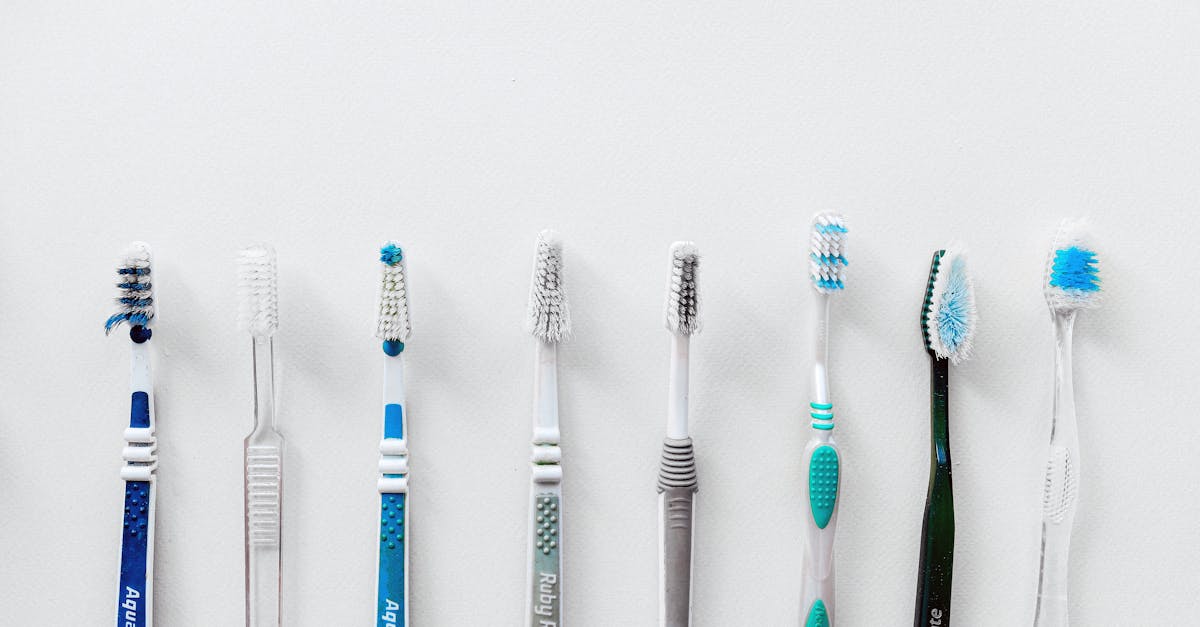
Six Weeks Without a Smart Toothbrush: My Dental Health Revelation
For years, I bought into the promise of the smart toothbrush. It buzzed with haptic feedback, tracked my brushing zones on an app, and even offered real-time coaching. I diligently followed its guidance, convinced that its data-driven approach was the pinnacle of oral hygiene. My dental check-ups were consistently acceptable, but never exceptional. I figured that was just my baseline.
Then, a minor accident left my beloved smart toothbrush unusable. Faced with a choice—immediately replace it or revert to a basic manual brush for a few weeks—I chose the latter. It felt like a step backward, a technological downgrade in an increasingly connected world. Little did I know, this forced simplification would spark a profound shift in my understanding of dental health, revealing that true oral care excellence isn’t found in an app’s metrics, but in mindful, intentional practice.
This isn’t about shaming technology; it’s about realizing where its true value lies and, more importantly, where it can inadvertently distract us from the fundamentals. My six weeks without the smart features became an unexpected masterclass in what truly makes a difference in my mouth.
Key Takeaways
- Mindful presence during brushing is more effective than relying on a smart toothbrush’s guidance.
- Investing in high-quality manual tools, like an extra-soft brush and dental picks, significantly improves plaque removal.
- Prioritizing post-brush flossing and interdental cleaning for every tooth is a game-changer for gum health.
- My focus shifted from hitting arbitrary metrics to genuinely feeling clean, leading to better oral hygiene outcomes.
The Illusion of ‘Perfect’ Coverage
My smart toothbrush app provided a visual map of my mouth, showing which areas I’d brushed and for how long. The goal was always 100% coverage, a perfectly green map. I spent years chasing that metric, often rushing through sections to meet the timer, or frantically going back to ‘fill in’ a missed spot. What I realized during my six-week experiment with a manual brush was that this pursuit of digital perfection often came at the expense of actual thoroughness.
With the manual brush, there was no app to tell me I was doing well, no progress bar to fill. This absence forced me to be entirely present. Instead of watching a screen, I felt the brush head against each tooth, consciously guiding it along the gumline and across every surface. I focused on the sensation of cleanliness, not the visual representation of it. The mistake I see most often is that the smart features, while well-intentioned, can create a dependency on external validation, distracting us from developing our own internal feedback loop. Without the app, I instinctively slowed down, spent more time on molars I used to rush, and paid genuine attention to areas that historically accumulated plaque. The difference was palpable: my teeth felt cleaner, and my gums, less irritated.
What changed everything for me was prioritizing the feel of a clean tooth over the look of a green zone on an app. It’s about engagement, not just execution. I discovered that a simple manual brush, wielded with intention, can outperform a smart brush used mindlessly.
The Overlooked Power of ‘Low-Tech’ Tools
When my smart toothbrush broke, I also reassessed my auxiliary tools. I had a generic floss and occasionally used mouthwash, but I hadn’t truly invested in these supporting acts. Stripped of my high-tech main event, I went back to basics and upgraded my manual arsenal.
I purchased an extra-soft bristled toothbrush, a pack of interdental brushes in various sizes, and some high-quality glide floss. This seemingly mundane upgrade had a profound impact. The softer bristles allowed me to brush more gently but effectively along the gumline without irritation. The interdental brushes, something my smart toothbrush never prompted me to use, became indispensable. I discovered just how much food debris and plaque accumulated between my teeth, areas floss sometimes missed, especially in tighter spots. In my experience, focusing solely on the brushing action, even a ‘smart’ one, neglects a significant portion of oral hygiene. My period without the smart brush highlighted that plaque isn’t just on the broad surfaces of your teeth; it thrives in the crevices and tight spaces that require specific tools.
What changed everything for me was understanding that excellent oral health is a system of tools and techniques, not just one high-tech device. Equipping myself with the right manual tools and dedicating time to use them systematically after brushing provided a level of cleanliness I had never achieved before.
The Criticality of Post-Brush Rituals
Before, my routine often ended once the smart toothbrush signaled its two-minute completion. Flossing was an afterthought, something I rushed if I remembered it at all. The data-driven focus on brushing duration unintentionally minimized the importance of what came next.
During my six weeks with the manual brush, I embraced flossing and interdental cleaning as non-negotiable, integral parts of my routine. Since there was no app to track my brushing, I had more mental bandwidth to truly focus on the other steps. I learned to floss carefully, curving the floss around each tooth, gently going beneath the gumline. Then, I used the interdental brushes, meticulously cleaning between every single tooth. This extra few minutes felt like a revelation. The amount of residual plaque and food particles I removed after brushing was astonishing. This detailed post-brush ritual significantly reduced gum inflammation and bleeding I had previously considered ‘normal.’
The mistake I see most often is treating flossing as a quick chore rather than a vital step. What changed everything for me was the realization that brushing, no matter how ‘smart,’ only does part of the job. The real magic, and the most significant impact on gum health, happens with diligent and thoughtful interdental cleaning. It’s about comprehensive care, not just surface-level cleaning.
Shifting from Metrics to Sensations of Cleanliness
Perhaps the most impactful shift during my smart toothbrush hiatus was psychological. I stopped chasing numbers and started chasing a feeling. The smart toothbrush’s metrics, while providing a sense of accomplishment, were abstract. They didn’t tell me if my mouth truly felt clean or if my gums were genuinely healthy.
With a manual brush, my only guide was my own perception. I learned to discern the difference between ‘brushed’ and ‘clean.’ I focused on the slickness of my tooth surfaces with my tongue, the fresh feeling in my mouth, and the healthy, non-irritated sensation of my gums. This internal feedback loop became far more powerful than any app data. It fostered a deeper connection to my oral health and empowered me to take ownership, rather than passively following instructions. This autonomy, combined with improved technique and comprehensive tools, led to visible improvements that even my dentist remarked upon during my next check-up: significantly less plaque buildup, healthier gum tissue, and a noticeable reduction in staining.
What changed everything for me was trusting my own senses and committing to a holistic approach. It wasn’t about the technology; it was about the intention and the integration of simple, effective habits.
Frequently Asked Questions
Is a smart toothbrush useless then?
Not necessarily. Smart toothbrushes can be great tools for habit formation and providing initial guidance, especially for new brushers or those needing reminders about duration and pressure. However, they should complement, not replace, mindful technique and comprehensive oral care with other tools. My experience showed me that relying solely on its metrics can lead to superficial cleaning if you’re not also deeply engaged with the process.
How long should I spend brushing my teeth?
The generally recommended time is two minutes, twice a day. However, my experience suggests that quality over strict adherence to time is crucial. If you’re using proper technique and cleaning every surface, including your tongue, it might take slightly longer. Focus on feeling genuinely clean rather than just hitting a timer.
What’s the best type of manual toothbrush to use?
An extra-soft bristled toothbrush is often recommended. Soft bristles are effective at cleaning without damaging gum tissue or tooth enamel. Look for a small head that can easily reach all areas of your mouth, especially the back molars.
What are interdental brushes, and why are they important?
Interdental brushes are small brushes designed to clean between your teeth, where a regular toothbrush can’t reach and floss might miss. They’re excellent for removing plaque and food particles from these tight spaces, significantly improving gum health and reducing the risk of cavities between teeth. They come in various sizes, so you might need a few different ones for different gaps in your mouth.
How often should I floss or use interdental cleaners?
At least once a day is recommended. My six-week experiment reinforced that this is a non-negotiable step. The most effective time is after brushing, to ensure you’re removing any dislodged plaque and food before it can resettle. Consistent daily use makes a significant difference in preventing gum disease and cavities.
My journey away from the smart toothbrush wasn’t a rejection of progress, but a return to fundamental principles. It taught me that true oral hygiene isn’t about advanced tech, but about mindful presence, the right tools, and a consistent, comprehensive routine. My dental health is better for it, and the liberation from chasing app metrics has been surprisingly refreshing.
Written by Chloe Vance
Daily routines and practical life hacks
With experience in journalism and a passion for simplifying the complex, Chloe crafts accessible advice for all.